RN Bridge Programs Demystified: What You Need to Know

Understanding RN Bridge Programs :
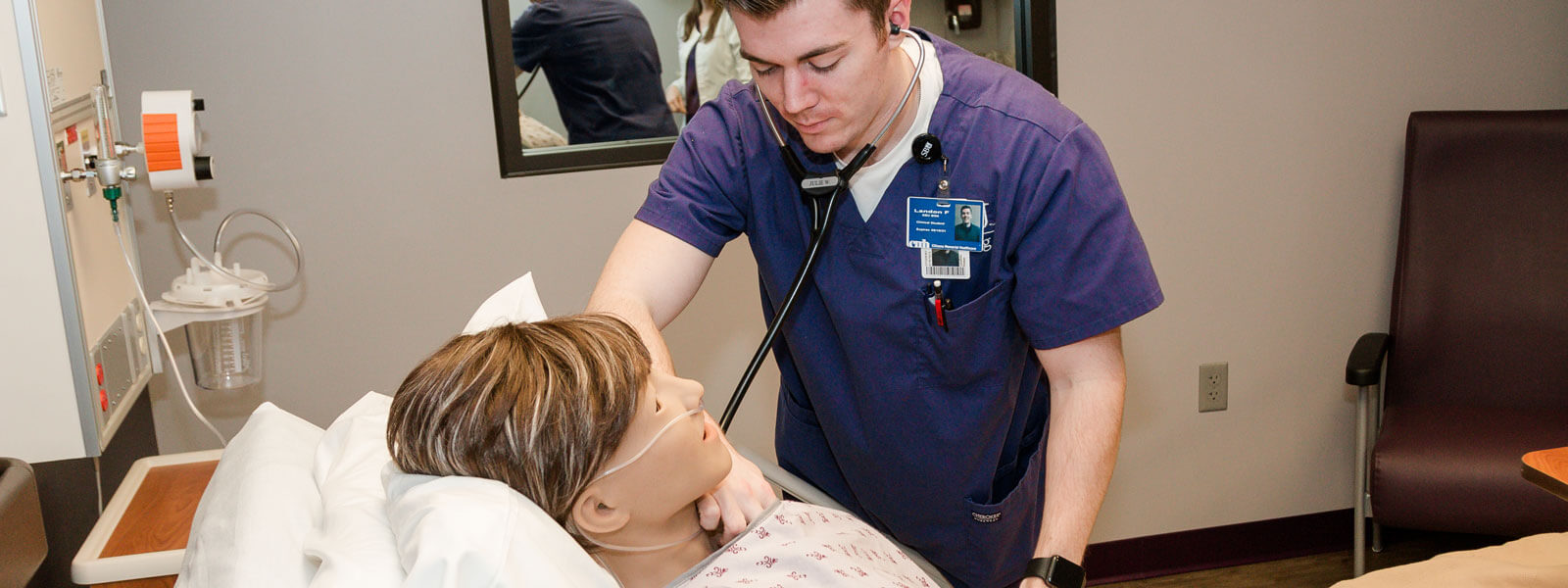
An RN Bridge Program is a specialized educational pathway designed for Licensed Practical Nurses who wish to elevate their careers to the next level by becoming Registered Nurses. These programs act as a bridge, efficiently acknowledging the knowledge and experience of LPNs while helping them acquire additional skills and knowledge required to meet the standards of RN practice.
Typically, Achieve RN Bridge Programs build upon the foundation laid during LPN training. The curricula are structured to fill the gaps between LPN and RN competencies, ensuring seamless progression and a well-rounded nursing education. Depending on the program, the duration may vary, but many institutions offer flexible options to accommodate working professionals.
Advantages of RN Bridge Programs :

1. Accelerated Career Growth: RN Bridge Programs provide a fast-track route to becoming an RN, allowing LPNs to expand their scope of practice and pursue advanced nursing roles.
2. Cost-Effective Pathway: Compared to starting from scratch, an RN Bridge Program offers a cost-effective option to advance one's nursing career. LPNs can avoid significant financial investments in a full-length RN program and still achieve their desired career upgrade.
3. Practical Experience Recognition: RN Bridge Programs recognize the clinical experience gained by LPNs, streamlining the transition process and reducing redundancy in learning.
4. Enhanced Skillset: Through comprehensive coursework and hands-on training, LPNs can develop a broader skillset, including critical thinking, leadership, and advanced patient care, essential for RN practice.
5. Opportunity for Specialization: Many RN Bridge Programs allow candidates to explore specialized areas of nursing, such as pediatrics, gerontology, or critical care, tailoring their careers to their passions.
6. Flexibility in Study: RN Bridge Programs often offer flexible study options, including part-time and online courses, enabling LPNs to balance work and family commitments while pursuing their RN education.
7. Job Market Advantage: Registered Nurses are in high demand, and completing an RN Bridge Program provides LPNs with a competitive edge in the job market, increasing their employability and potential for higher salaries.
8. Continuing Education Opportunities: Once a nurse becomes an RN, numerous opportunities for further education and career advancement, such as Bachelor of Science in Nursing (BSN) or Master of Science in Nursing (MSN) programs, become available.
How to Achieve RN Bridge Program Success :

Embarking on an RN Bridge Program requires dedication and determination. Here are some essential steps to ensure a successful transition:
1. Research and Choose the Right Program: Explore various RN Bridge Programs offered by accredited institutions. Consider factors such as program length, curriculum, and clinical opportunities before making a decision.
2. Fulfill Prerequisites: Most RN Bridge Programs have specific prerequisites, including anatomy, physiology, and other science courses. Ensure you meet all requirements before applying.
3. Seek Guidance and Support: Speak with program advisors, faculty, and current RN students to gain insight into the program's challenges and opportunities. This will help you make informed decisions and prepare for the journey ahead.
4. Manage Your Time Effectively: Balancing work, personal life, and academics can be demanding. Develop strong time management skills to stay on track with assignments and study commitments.
5. Embrace Continuous Learning: Be open to new ideas and approaches, as the RN Bridge Program will introduce you to advanced nursing concepts and technologies. Stay curious and engage actively in the learning process.
6. Collaborate with Peers: Join study groups or online forums where you can collaborate with fellow students. Peer support can be invaluable in navigating the challenges of the program.
7. Seek Clinical Experiences: Take advantage of clinical opportunities to practice and apply your newly acquired skills in real-life healthcare settings. This hands-on experience will reinforce your knowledge and boost your confidence as you transition to an RN.
Conclusion :
RN Bridge Programs offer a transformative opportunity for Licensed Practical Nurses to achieve their dream of becoming Registered Nurses. By demystifying the concept of these programs and understanding the advantages they offer, LPNs can take the first step toward elevating their nursing careers. With dedication, hard work, and the right support, LPNs can successfully navigate the RN Bridge Program, embarking on a fulfilling journey of professional growth and expanded horizons in the world of nursing. So, seize the opportunity, embrace the challenges, and set your sights on the path to becoming a Registered Nurse through an RN Bridge Program!


Comments
Post a Comment